

Add AI to your platform, or rebuild it around AI
When to plug agents and search into what you run, and when a rebuild pays off.
We partner with growing companies and established platforms to add AI agents to the products they already run, build AI-native SaaS and mobile apps, and get stuck projects shipped.

AI agents, MCP integrations and RAG knowledge systems added to the platform you already run, or built into a fresh rebuild. Secure and GDPR-aware from the first sprint.
Talk to us
Build AI-native SaaS with AI agents, copilots, MCP and RAG on secure multi-tenant platforms. We take you from MVP to scale, with the evaluation, observability and cost controls production needs.
Talk to us
Agents read your data, call your APIs and act for you. We red-team, harden and monitor LLM apps and agentic systems so they do only what they're meant to, aligned with OWASP LLM Top 10, NIST AI RMF and the EU AI Act.
Talk to usApps and platforms built so AI features slot straight in.

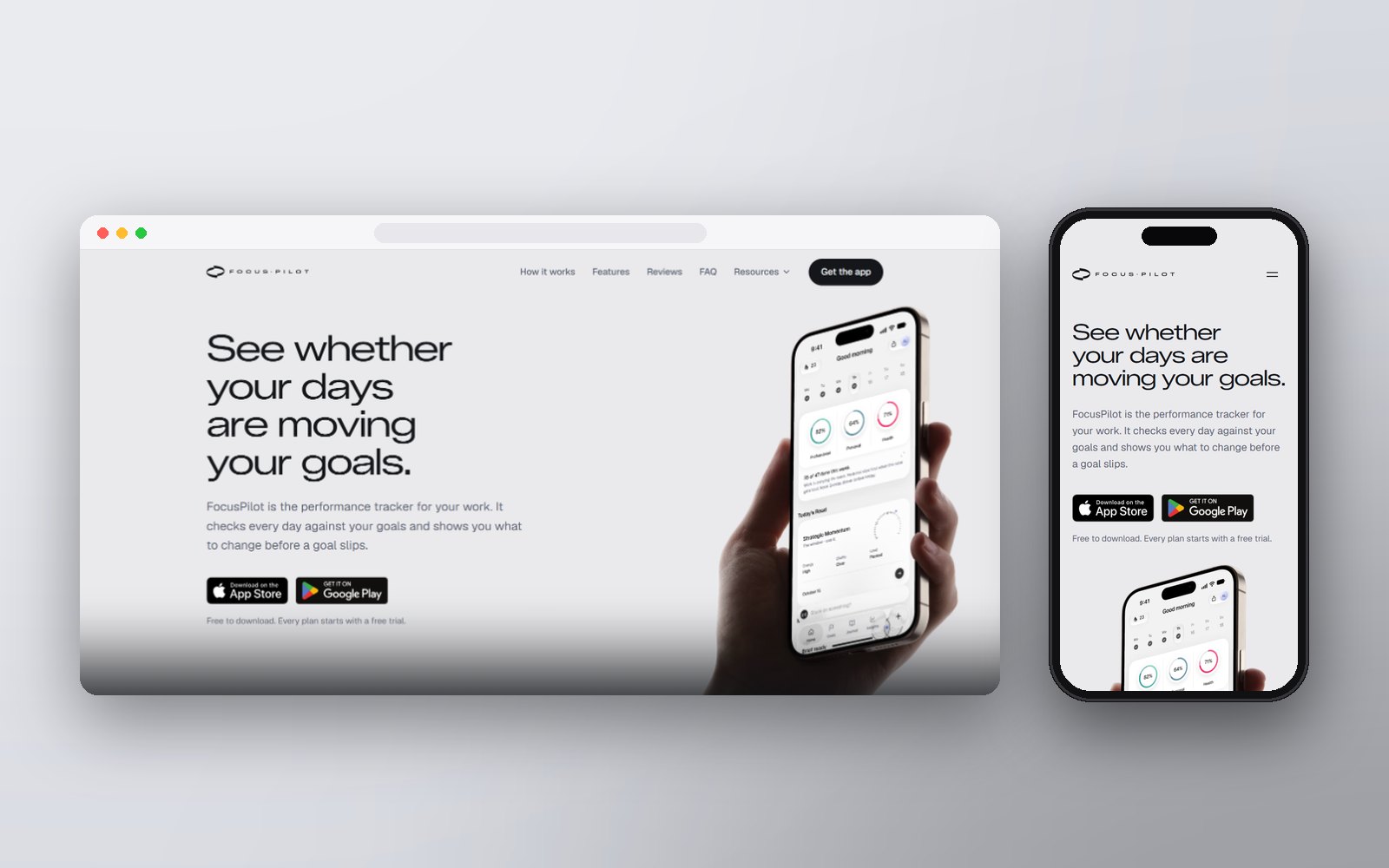
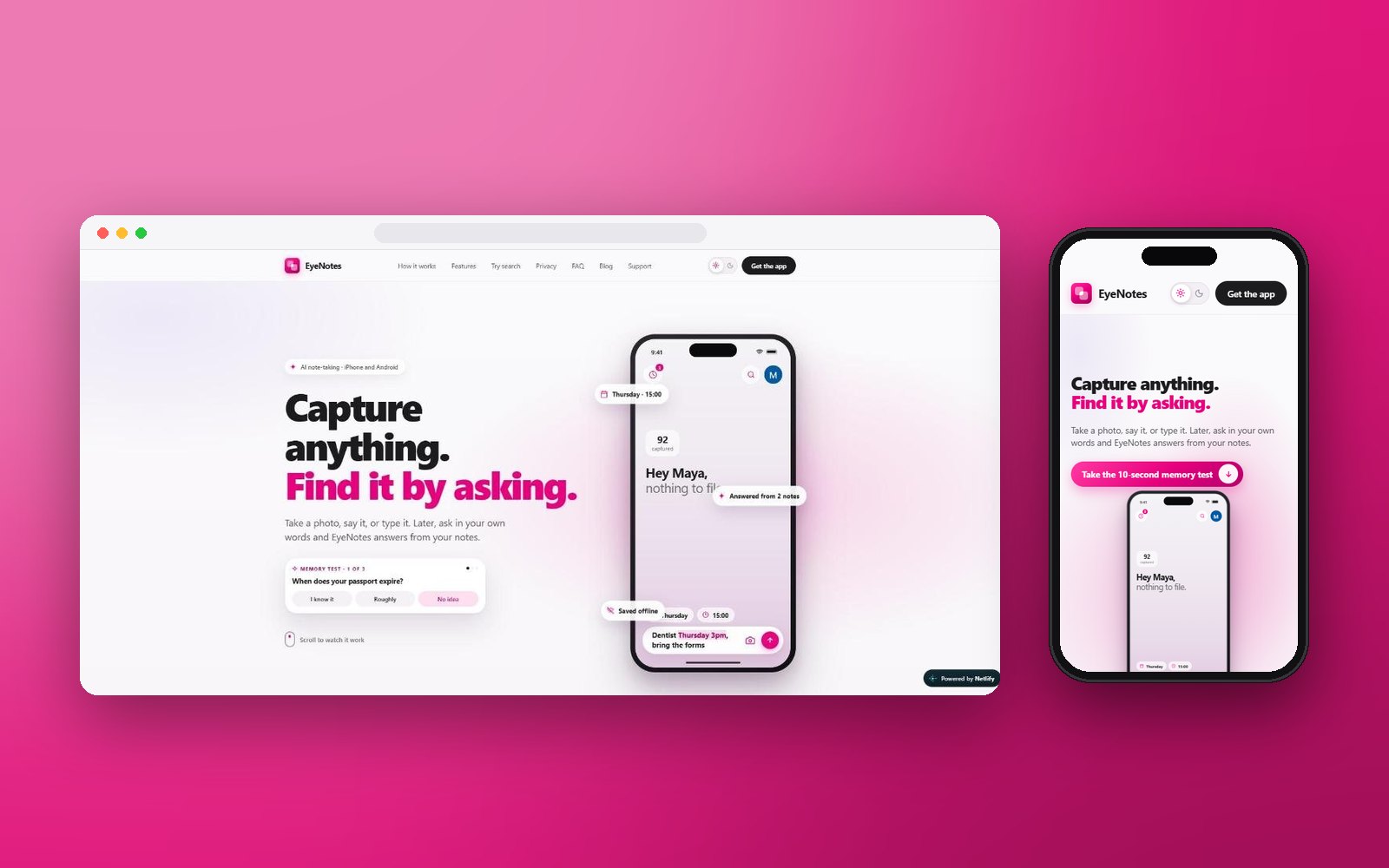
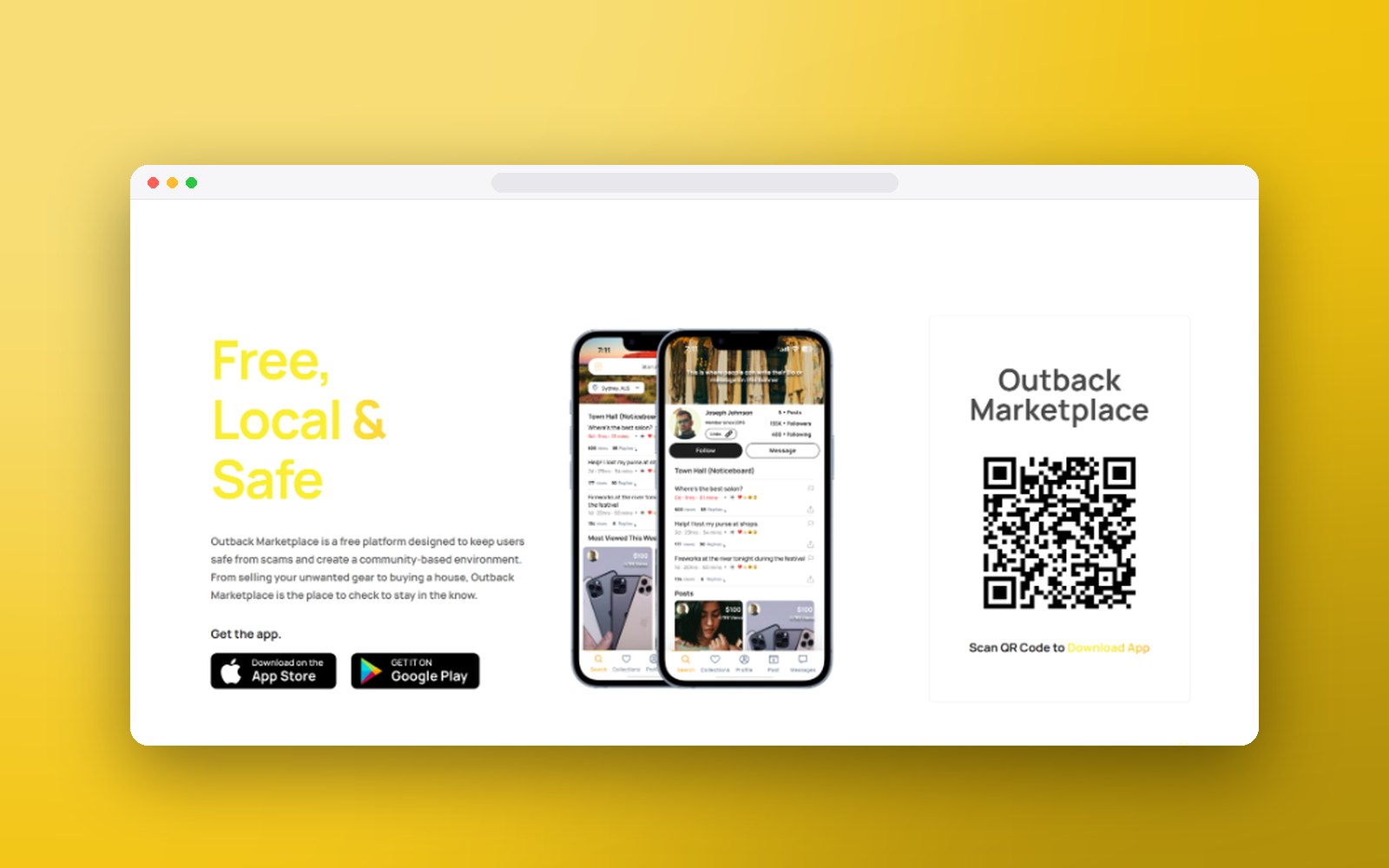
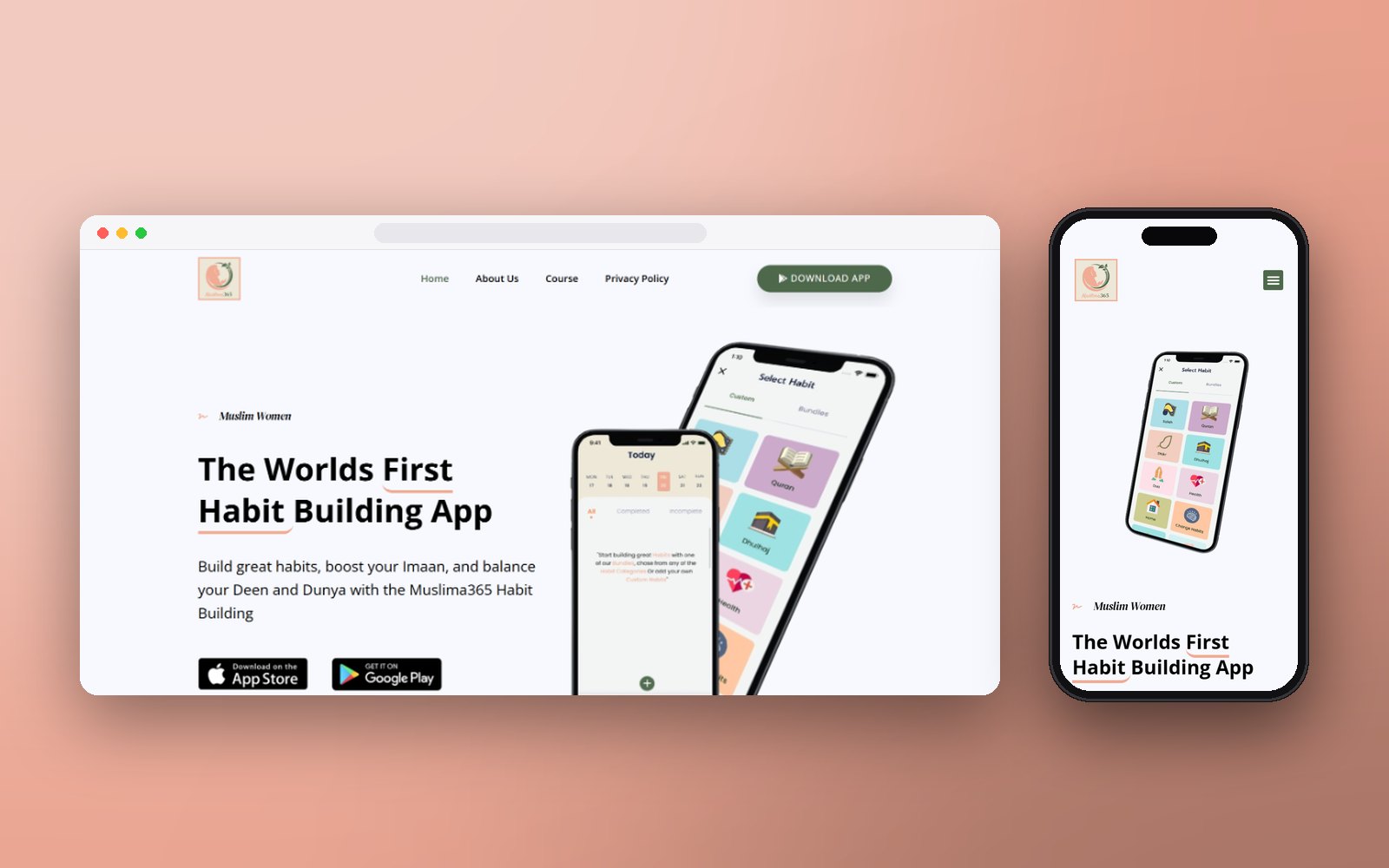
Custom iOS, Android and cross-platform (Flutter, React Native) apps and web apps with secure, scalable cloud backends. Trusted for products like FocusPilot, EyeNotes and Outback Marketplace.
Talk to us
Stuck project? Start with a free Blocker Fit Triage, get a 5-day diagnostic, then we fix the blockers, add AI and ship to production.
Talk to usAI products, mobile apps and platforms we've helped build and ship
Stuck project? We fix the blockers, add AI where it helps, and ship to production.
Start with a free Blocker Fit Triage. A 5-day diagnostic then shows exactly what's holding you back, before we fix it, integrate AI and get you live.
Practical thinking on AI, product engineering and security from our teams.
When to plug agents and search into what you run, and when a rebuild pays off.
Prompt injection, permissions and guardrails, explained with real examples.
Chunking, citations and evals: the checklist we use for every RAG build.
Patterns for assistants, voice and smart search in iOS and Android apps.
Cost, latency, monitoring and rollout: what changes after the demo.
4 studios. 36 specialists. One standard.
> audit platform ✓
> add RAG + agents ✓
> ship to prod ▍Tell us where your platform is today.
Practical thinking on AI, product engineering and security from our teams.
When to plug agents and search into what you run, and when a rebuild pays off.
Prompt injection, permissions and guardrails, explained with real examples.
Chunking, citations and evals: the checklist we use for every RAG build.
Patterns for assistants, voice and smart search in iOS and Android apps.
Cost, latency, monitoring and rollout: what changes after the demo.
When to plug agents and search into what you run, and when a rebuild pays off.
Most teams we meet already have a working product. The question is rarely “should we use AI?” but “where does it pay off first, and can our platform carry it?”
If your data is reachable through APIs and your core flows are stable, adding AI is usually the fastest path: an in-product copilot, semantic search over your content, or an agent that handles a repetitive back-office task. These ship in weeks and prove value with real users.
A rebuild earns its cost when the platform itself is the blocker: data locked in places no model can reach, no way to add new surfaces without breaking old ones, or performance that cannot support real-time AI features. In that case we rebuild around AI from day one, so every new feature can use it.
Either way, start with one measurable use case, connect it to real data, and put it in front of users before scaling.
Prompt injection, permissions and guardrails, explained with real examples.
An agent that can call tools is a new kind of user inside your system: one that reads untrusted text and then takes action. That makes security a design question, not an afterthought.
The biggest risk is prompt injection: instructions hidden in a document, email or web page that the agent reads and then follows. The defence is to treat everything the agent reads as data, never as instructions, and to put hard limits around what it can do.
Give each tool the least privilege it needs, require confirmation for irreversible actions, log every tool call, and keep secrets out of the model’s context. Red-team the agent with realistic attacks before launch, and keep testing after it ships.
Frameworks such as the OWASP Top 10 for LLM applications are a good checklist for where to look first.
Chunking, citations and evals: the checklist we use for every RAG build.
Retrieval-augmented generation (RAG) lets a model answer from your own documents. Whether users trust those answers depends on a few unglamorous details.
Chunking decides what the model can see: split documents along their real structure, keep headings with their content, and store metadata such as source, date and access rights.
Citations let users check the answer. Every response should point to the passages it used, and the assistant should say “I don’t know” when the sources don’t cover the question.
Finally, measure it. A small evaluation set of real questions with known answers catches regressions every time you change prompts, models or data.
Patterns for assistants, voice and smart search in iOS and Android apps.
AI features feel natural in a mobile app when they are designed in, not bolted on.
Leave room in the interface for an assistant entry point, streaming responses and clear loading states. Users should always see what the AI is doing and be able to undo it.
On the engineering side, keep model calls behind your own API so you can switch providers, cache results, and control cost. Plan for offline and slow networks, and use on-device models where privacy or speed matters.
Voice, smart search and summaries are the features users adopt fastest, so they are a good place to start.
Cost, latency, monitoring and rollout: what changes after the demo.
A demo proves that something is possible. Production proves that it is reliable, affordable and safe at scale. The gap between the two is where most AI projects stall.
Before launch, set budgets for cost per request and response time, and test against them with realistic traffic. Add fallbacks for when the model is slow or wrong.
Monitor quality, not just uptime: track user feedback, flagged answers and evaluation scores over time. Roll out gradually to a small group first, compare against the old flow, and widen only when the numbers hold.
Treat prompts and model versions like code: reviewed, versioned and easy to roll back.